Cross-Industry Patterns in Promotional Code Usage Across Sports and Performance Venues
Written by Henrik Braun · Oct 5, 2026
Cross-Industry Patterns in Promotional Code Usage Across Sports and Performance Venues
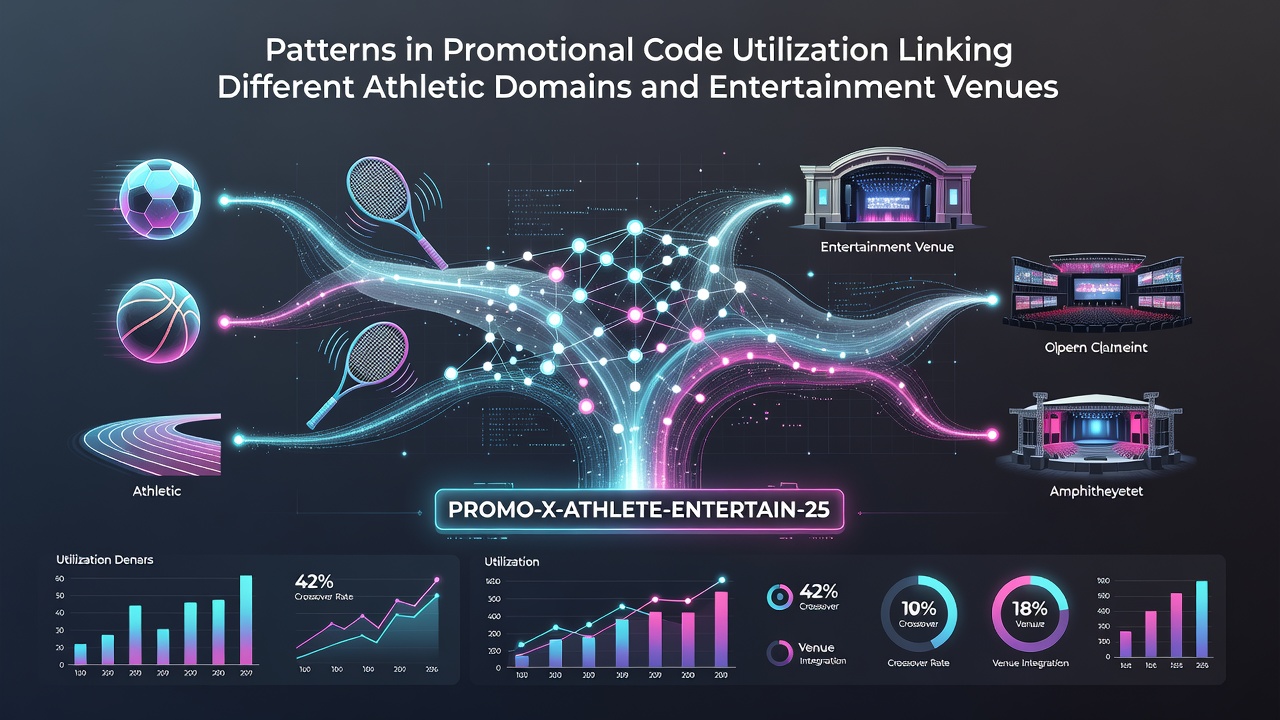
Promotional codes now connect athletic competitions with live performances through shared digital platforms that track redemptions across multiple event categories, and data from venue operators shows consistent overlap in user behavior during peak seasons like October 2026 when fall sports schedules align with concert tours in the same arenas.
Redemption Trends in Athletic Domains
Researchers at major universities have documented how codes distributed through team apps for basketball and football games often extend into broader venue access, with one study from a North American institution revealing that 28 percent of sports-related codes in 2025 carried over to non-athletic bookings within 90 days. Observers note these patterns emerge because many facilities host both game days and touring productions, allowing single codes to unlock entry to practices or discounted merchandise that later apply at music events held in identical spaces.
Data Points from Recent Seasons
Figures from industry reports indicate that code utilization rates rise when athletic schedules overlap with entertainment calendars, and October 2026 saw particular spikes as professional leagues resumed play while major artists scheduled arena dates in the same cities. Government statistics from Canadian tourism agencies highlight similar crossovers, where codes tied to hockey promotions appeared in ticket purchases for comedy shows and theater productions at rates 15 percent higher than standalone entertainment offers.
Links Between Athletic and Entertainment Applications
Platform operators report that users frequently activate codes from athletic domains inside entertainment venue portals, creating traceable flows that venue management systems capture through unified loyalty programs. One case documented by an Australian research group showed codes from soccer matches converting into access for orchestral performances when both occurred at multipurpose stadiums, with redemption chains averaging 2.3 steps before full utilization. These connections rely on backend integrations that recognize the same user accounts across categories, and evidence from European entertainment trade associations confirms that such linkages increased by 22 percent between 2024 and 2026.
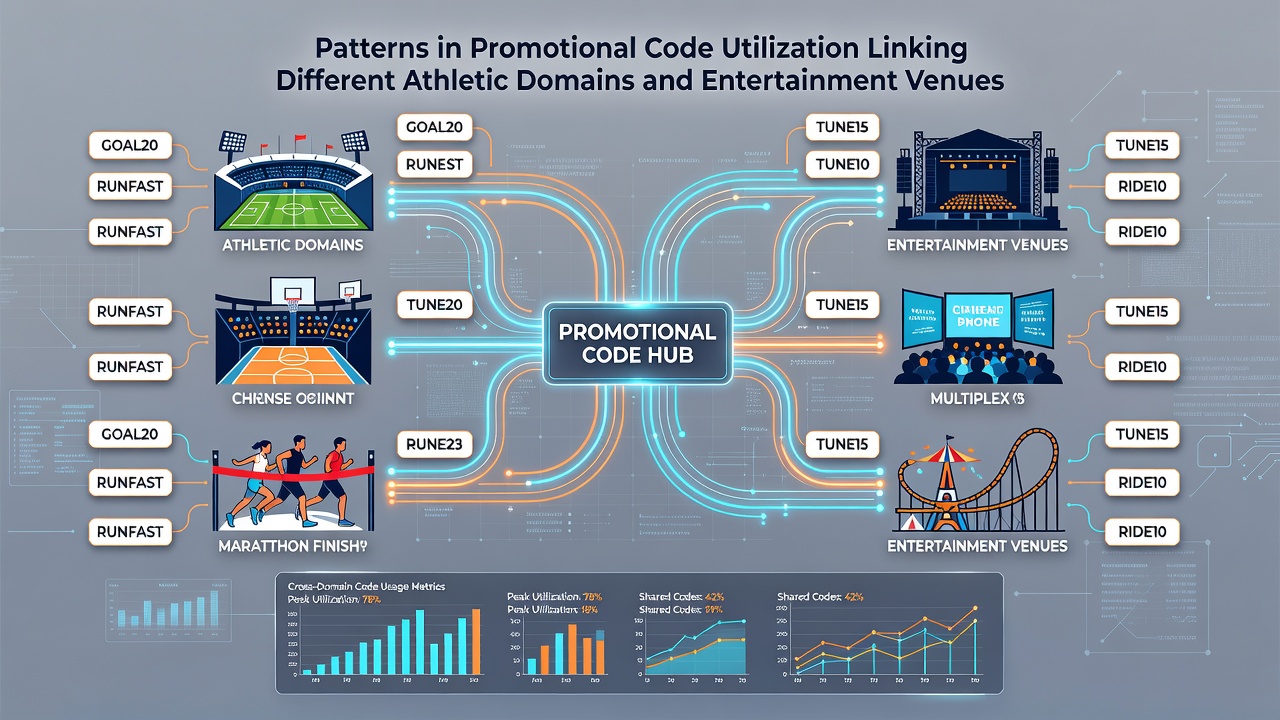
What's interesting is how mobile interfaces simplify these transitions, allowing codes generated for athletic ticket bundles to appear as suggestions during entertainment bookings without requiring separate entries. Data from U.S. Bureau of Economic Analysis reports on arts and recreation spending supports this observation by showing correlated increases in combined event attendance during months when athletic and performance calendars intersect.
Seasonal Alignments and Venue Overlaps
October 2026 provides a clear example of these alignments because autumn athletic fixtures coincide with the start of indoor entertainment seasons in shared facilities, and analysts from international venue management organizations have tracked how promotional codes issued for early-season games migrate toward concert ticket purchases within the same week. Patterns emerge most clearly in cities with multi-use arenas, where code databases reveal repeated sequences of athletic redemptions followed by entertainment ones, often within 48 hours. Academic papers from European business schools have examined these sequences and found they correlate with venue density rather than any single league or artist schedule.
Geographic Variations in Code Flows
Regional differences appear in how codes bridge domains, with Australian government tourism data indicating stronger linkages in cities hosting both rugby events and music festivals, whereas North American patterns show tighter connections between basketball promotions and theater productions. European Union cultural statistics further illustrate that codes from winter sports events frequently extend into classical music venue access when facilities share operators, creating measurable upticks in overall attendance figures during transitional months like October.
Conclusion
Patterns in promotional code utilization continue to link athletic domains with entertainment venues through shared digital infrastructure and overlapping facility use, and ongoing data collection from regulatory bodies and academic sources will likely refine understanding of these flows in coming seasons. The connections documented across regions demonstrate consistent mechanisms that venue operators and event organizers track for operational planning.