Digital Mapping of Table Game Redemptions to Multi-Event League Protections via Application Interfaces
Written by Henrik Braun · Aug 16, 2026
Digital Mapping of Table Game Redemptions to Multi-Event League Protections via Application Interfaces
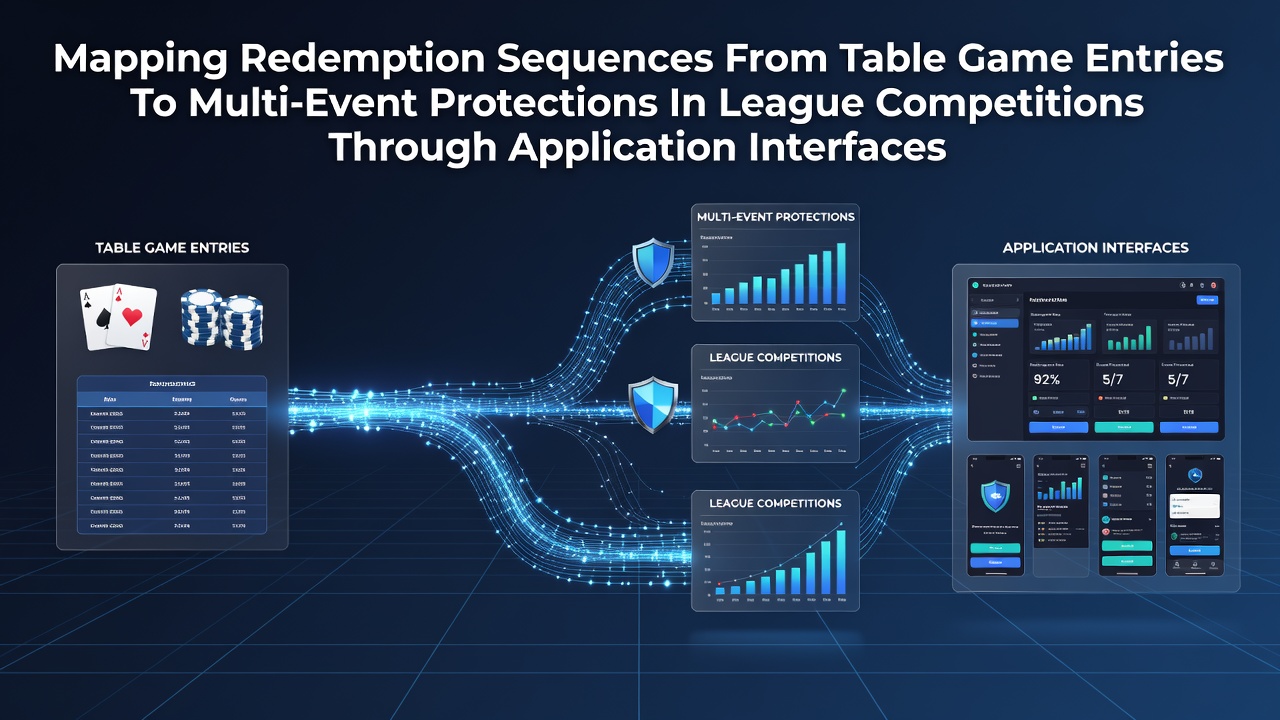
Application interfaces now handle redemption sequences that start with table game entries and convert those actions into multi-event protections across league competitions, and data from August 2026 shows continued growth in these cross-platform linkages. Users initiate the process by completing table game sessions on integrated platforms, after which the system records entry details and routes them through backend protocols that generate corresponding safeguards for events in basketball, soccer, and other league schedules.
These sequences rely on structured data flows where each table game transaction receives a unique identifier that links directly to protection parameters such as parlay coverage or event-specific insurance. Platform operators program the interfaces to recognize qualifying entries and apply the protections automatically once thresholds are met, reducing manual intervention while maintaining audit trails for regulatory compliance.
Sequence Initiation and Data Capture
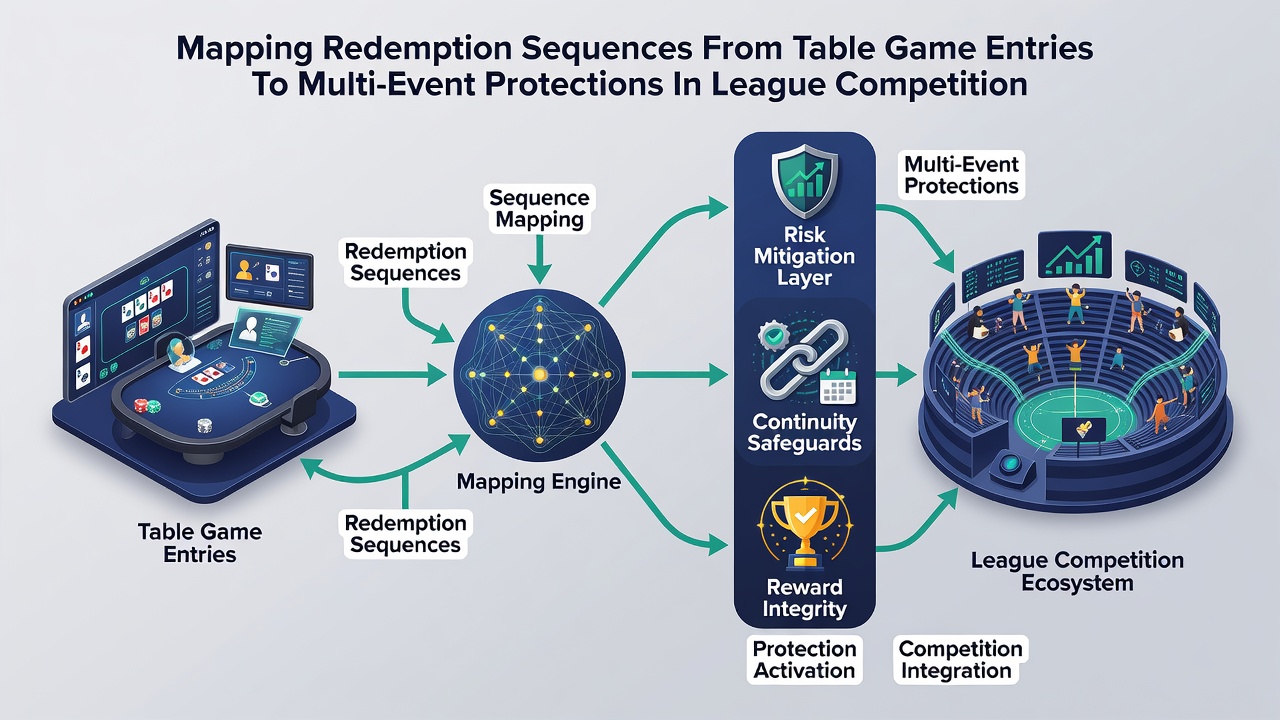
Table game entries begin the redemption path when a player places wagers or completes rounds that meet predefined criteria, at which point the application captures metadata including stake amounts, game type, and timestamp. This information feeds into a central mapping engine that matches the entry to available league protections, and observers note that the process completes within seconds on most mobile and desktop interfaces.
Once captured, the data moves through validation layers that confirm eligibility before assigning protection units to specific competitions. Systems track cumulative entries across sessions, allowing users to build toward higher-tier safeguards that cover multiple events rather than single matches, and figures from the Alcohol and Gaming Commission of Ontario reveal increased adoption of these layered mapping features during recent reporting periods.
Interface Protocols and Cross-League Integration
Application programming interfaces standardize the transfer of redemption data between table game modules and league protection engines, ensuring compatibility across different competition calendars. Developers design these protocols to handle variable event schedules, so a redemption earned from one table session can apply to basketball games in one week and soccer fixtures in another without requiring separate activations.
Mapping logic accounts for protection duration and scope, with rules that prevent overlap on the same event while permitting stacking across distinct leagues. Industry reports indicate that such integration patterns have expanded as operators refine algorithms to process higher volumes of concurrent redemptions during peak league seasons.
Examples of Protection Assignment in Practice
One documented flow shows a user completing a series of table game rounds, after which the interface assigns coverage to three upcoming league matches selected from a dropdown menu within the application. The protection activates automatically upon confirmation, and subsequent event outcomes determine whether the safeguard triggers payouts or extensions to additional competitions.
Another sequence demonstrates cumulative tracking where multiple table entries combine to unlock broader multi-event shields that span international tournaments and domestic league play. These assignments follow predefined conversion rates set by the platform, with the application interface displaying real-time status updates so users can monitor remaining protections tied to their table game activity.
Regulatory Oversight and Data Standards
Regulatory bodies require detailed logging of every redemption sequence to ensure transparency in how table game entries translate into league protections. The New Jersey Division of Gaming Enforcement has published guidelines that specify minimum data elements operators must record, including linkage timestamps and protection scope, which helps maintain consistent standards across jurisdictions.
These standards support interoperability between different application interfaces, allowing users to carry protections across platforms when operators participate in shared data frameworks. Compliance audits verify that mapping engines apply protections only to verified entries, and updates to these rules continue as league schedules evolve and new competition formats emerge.
Conclusion
Mapping systems that connect table game redemptions to multi-event protections continue to develop through refined application interfaces, with ongoing adjustments to data protocols supporting broader league coverage. August 2026 metrics highlight sustained usage patterns that reflect the operational maturity of these sequences across multiple platforms and regulatory environments.